 KONECT ‣ Networks ‣
Buy Me a Coffee
KONECT ‣ Networks ‣
Buy Me a Coffee
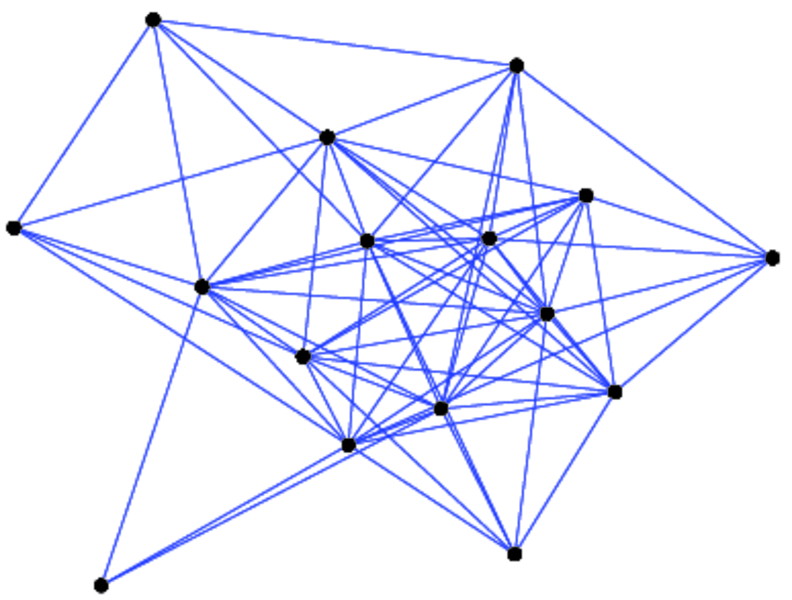
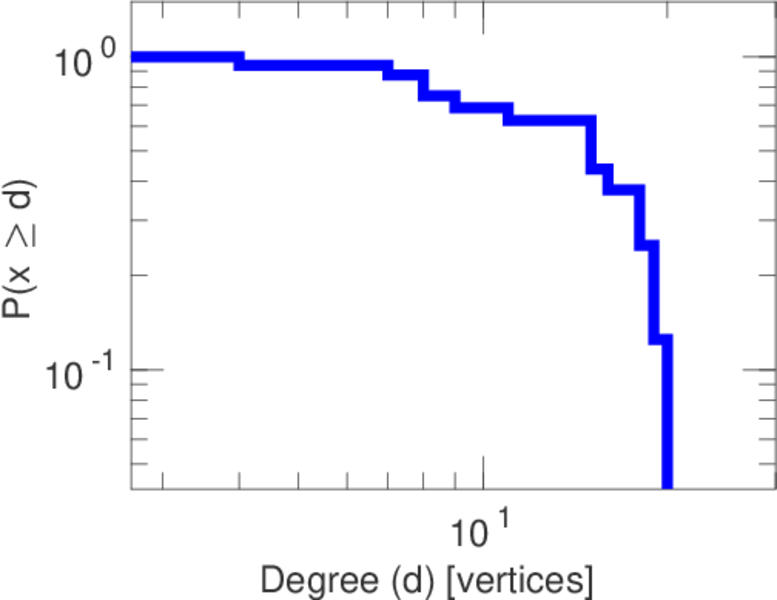
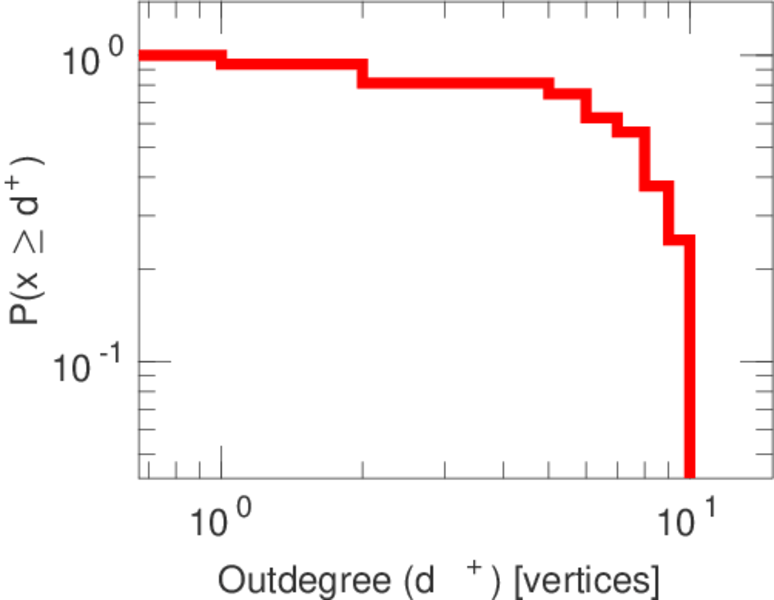
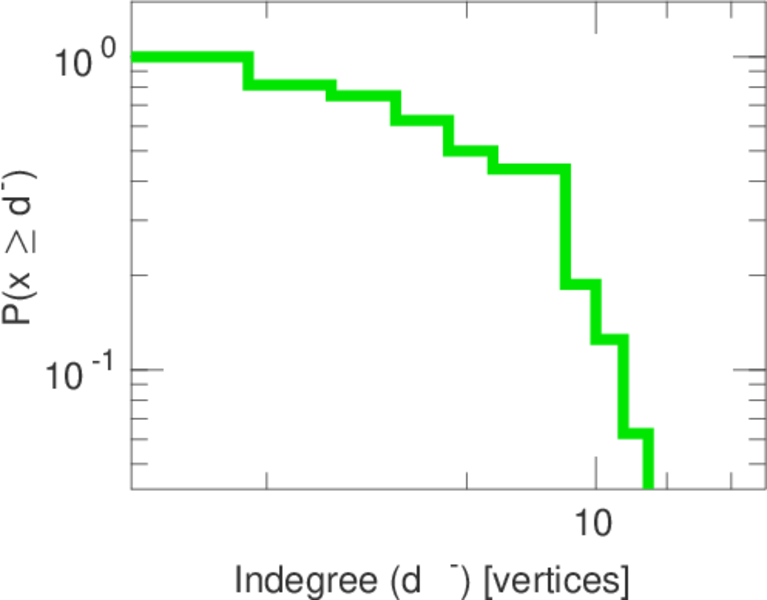
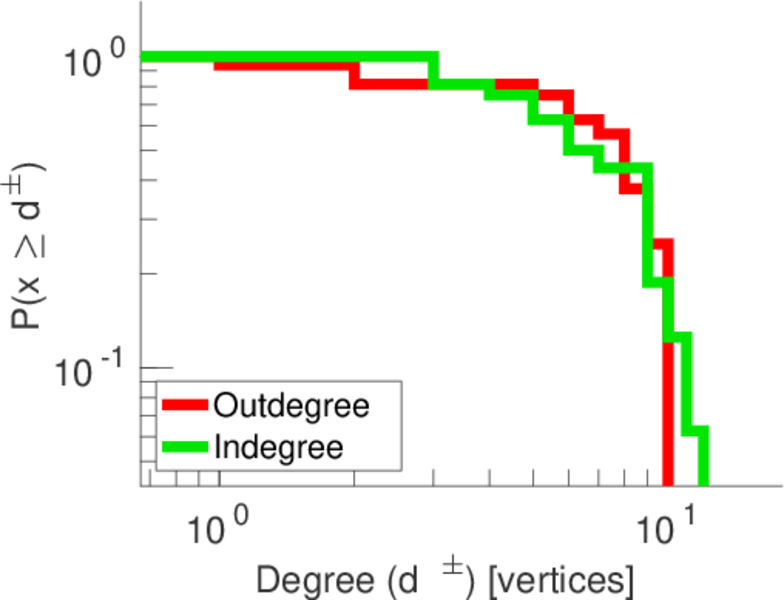
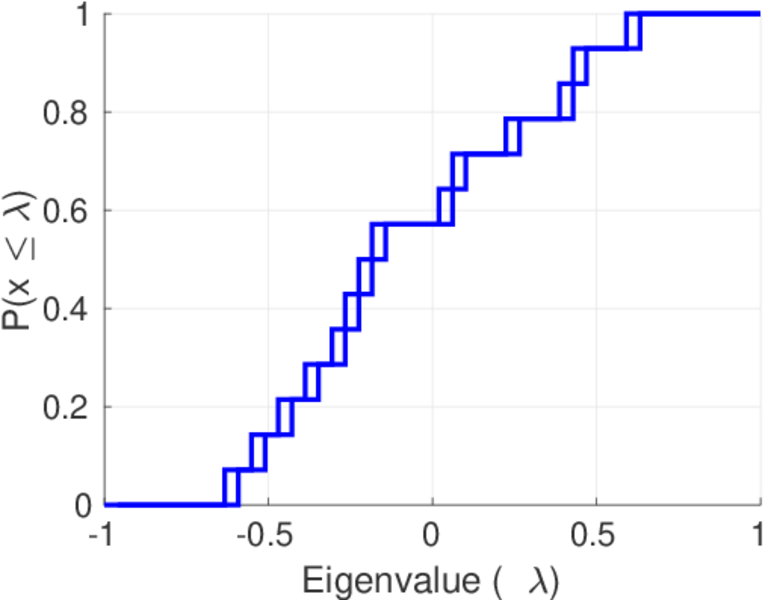
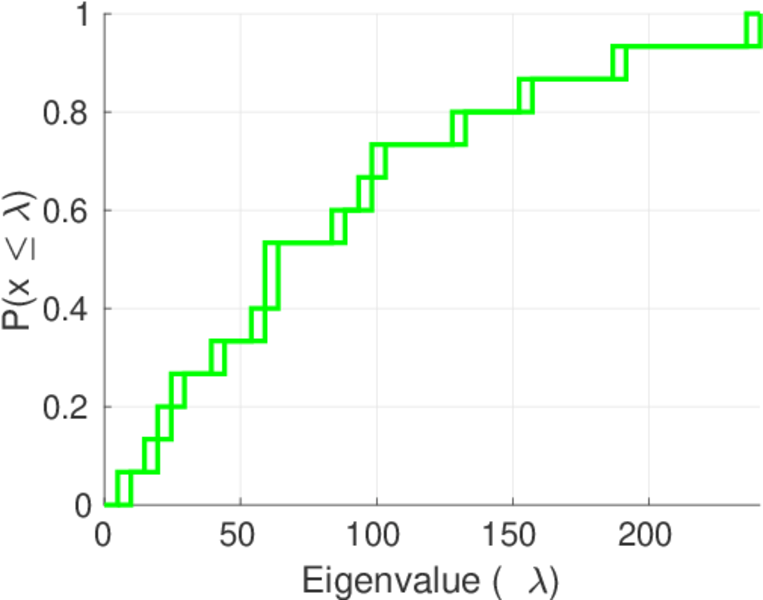
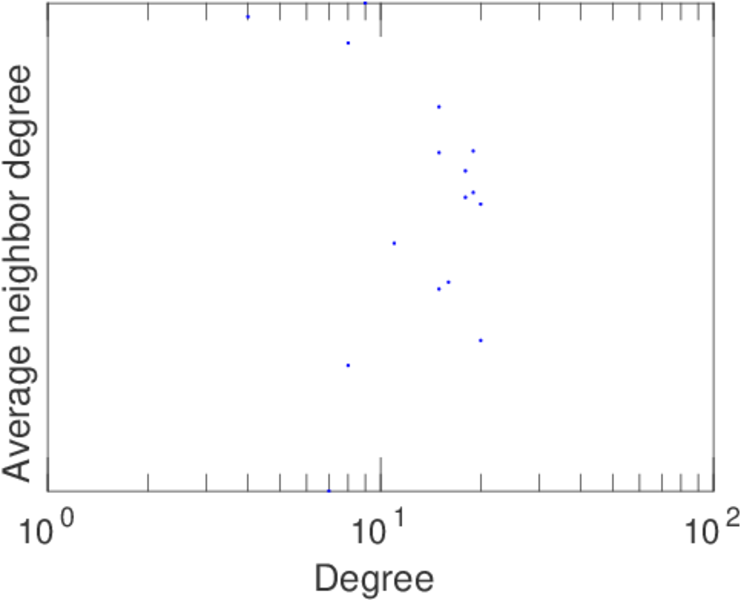
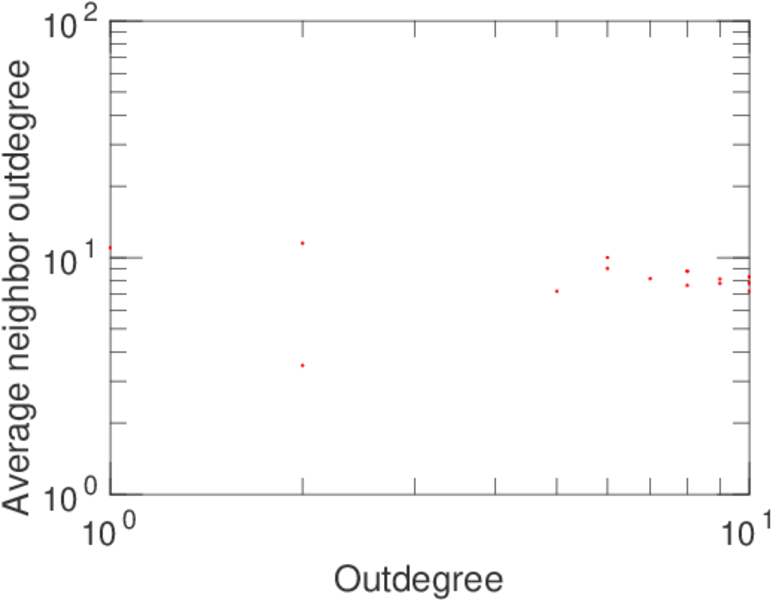
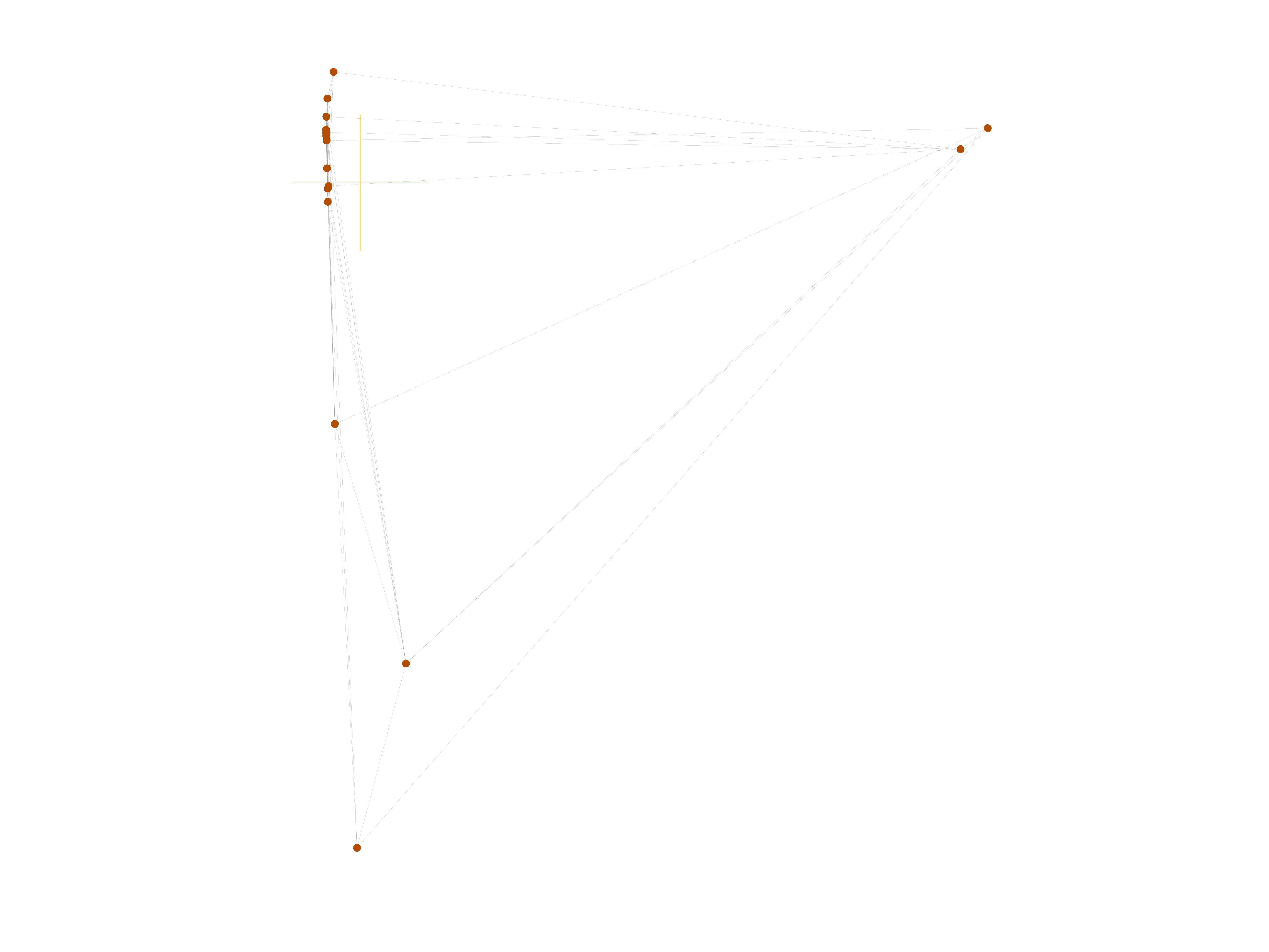
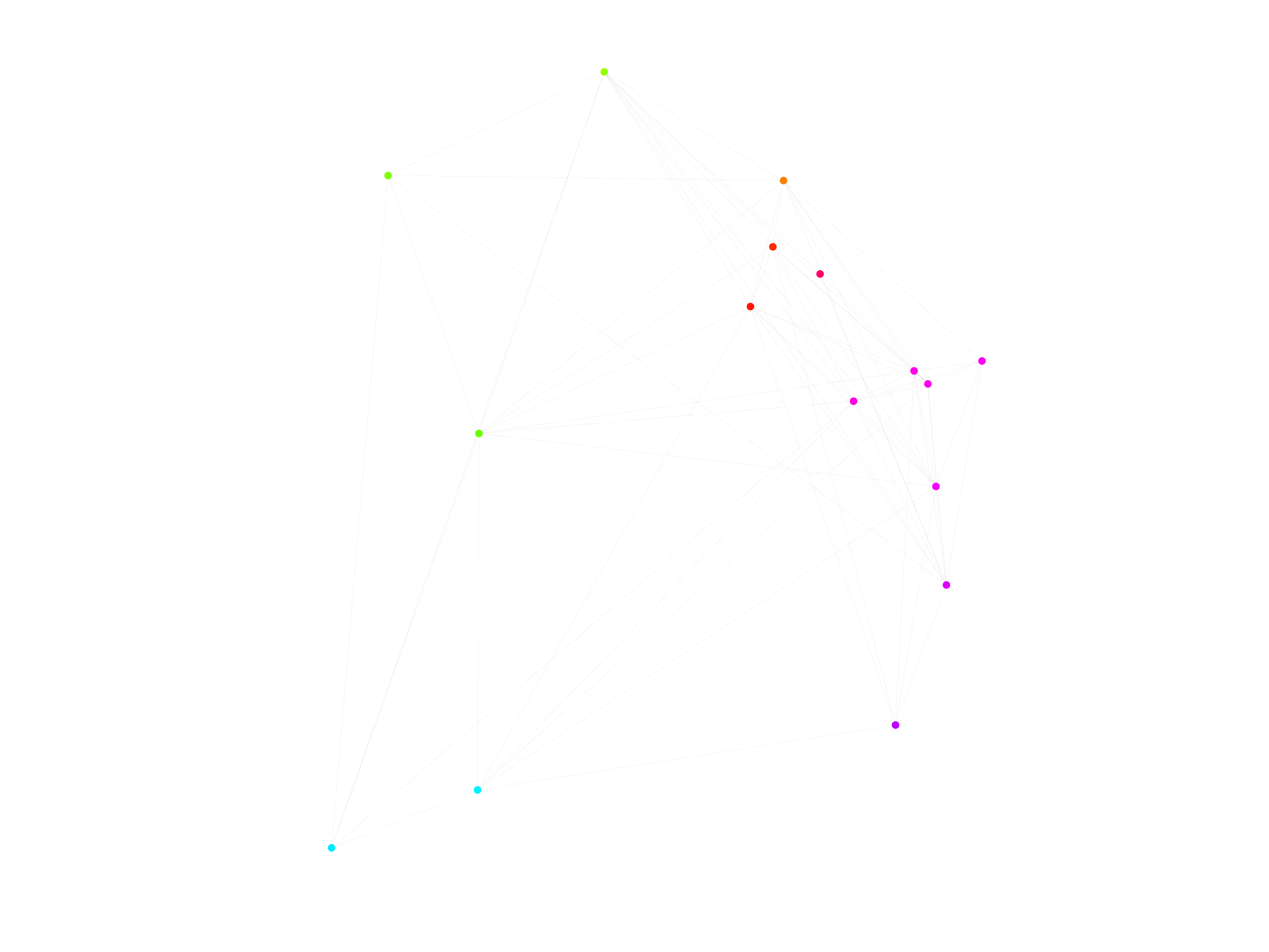
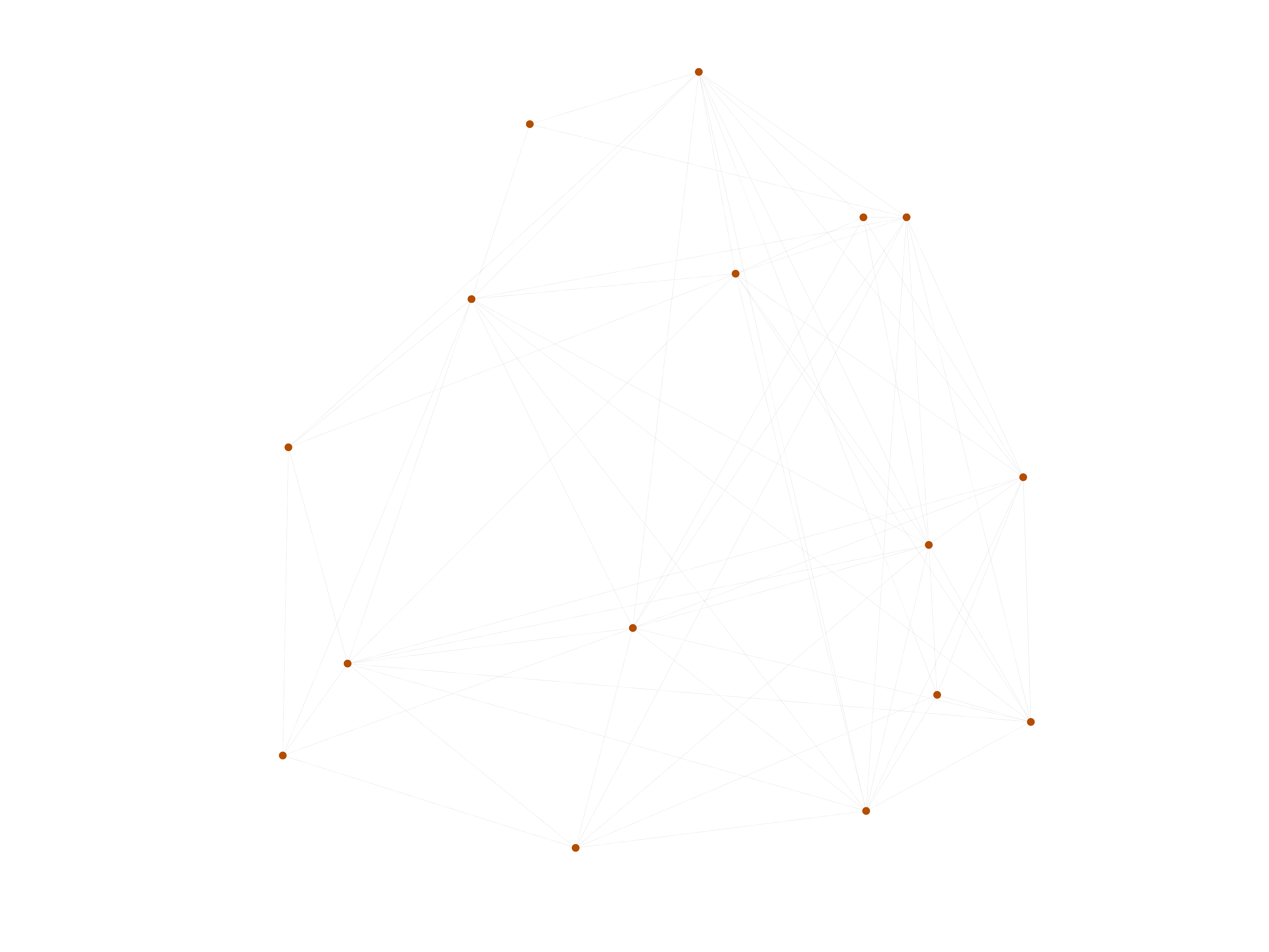
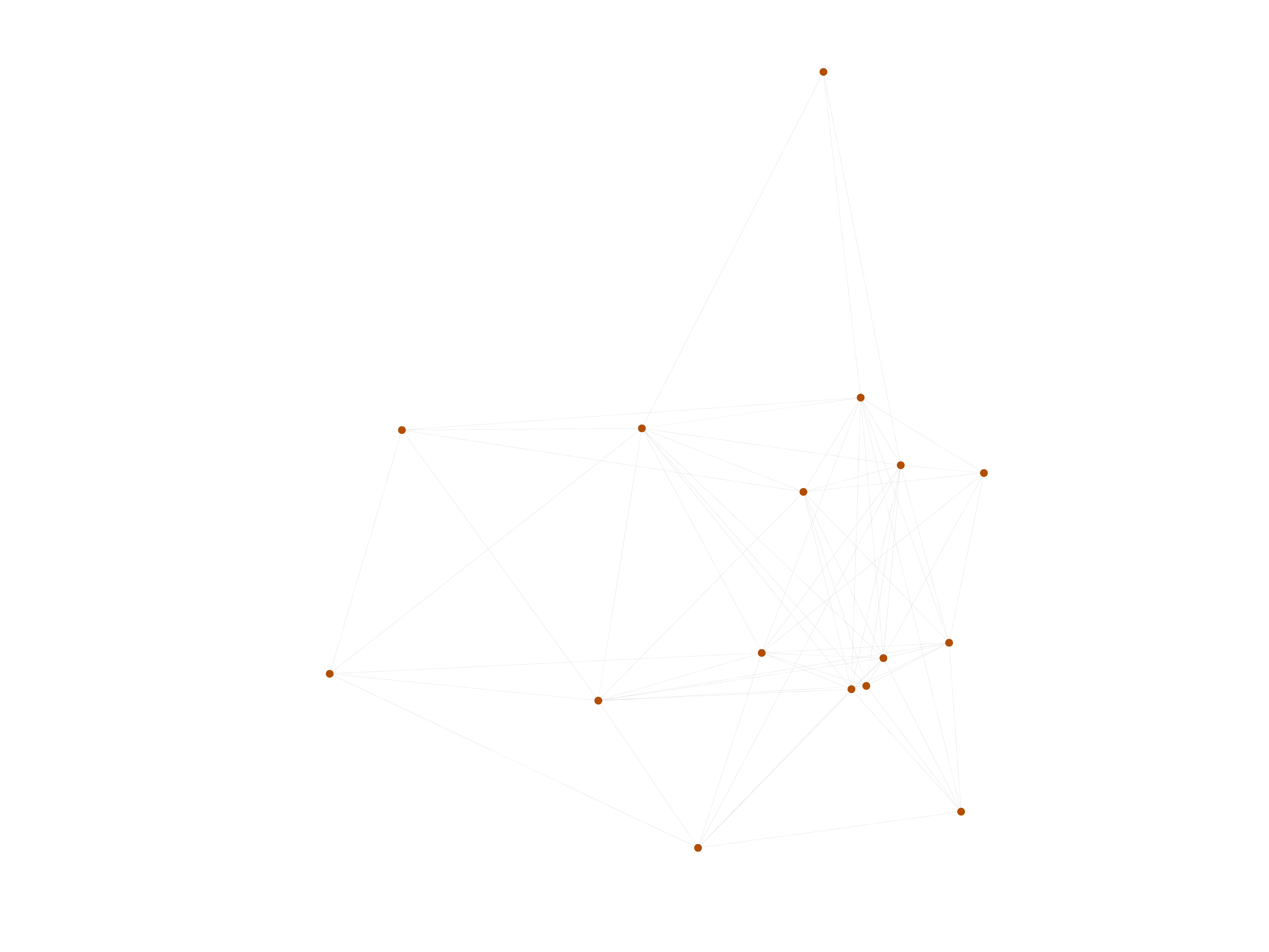
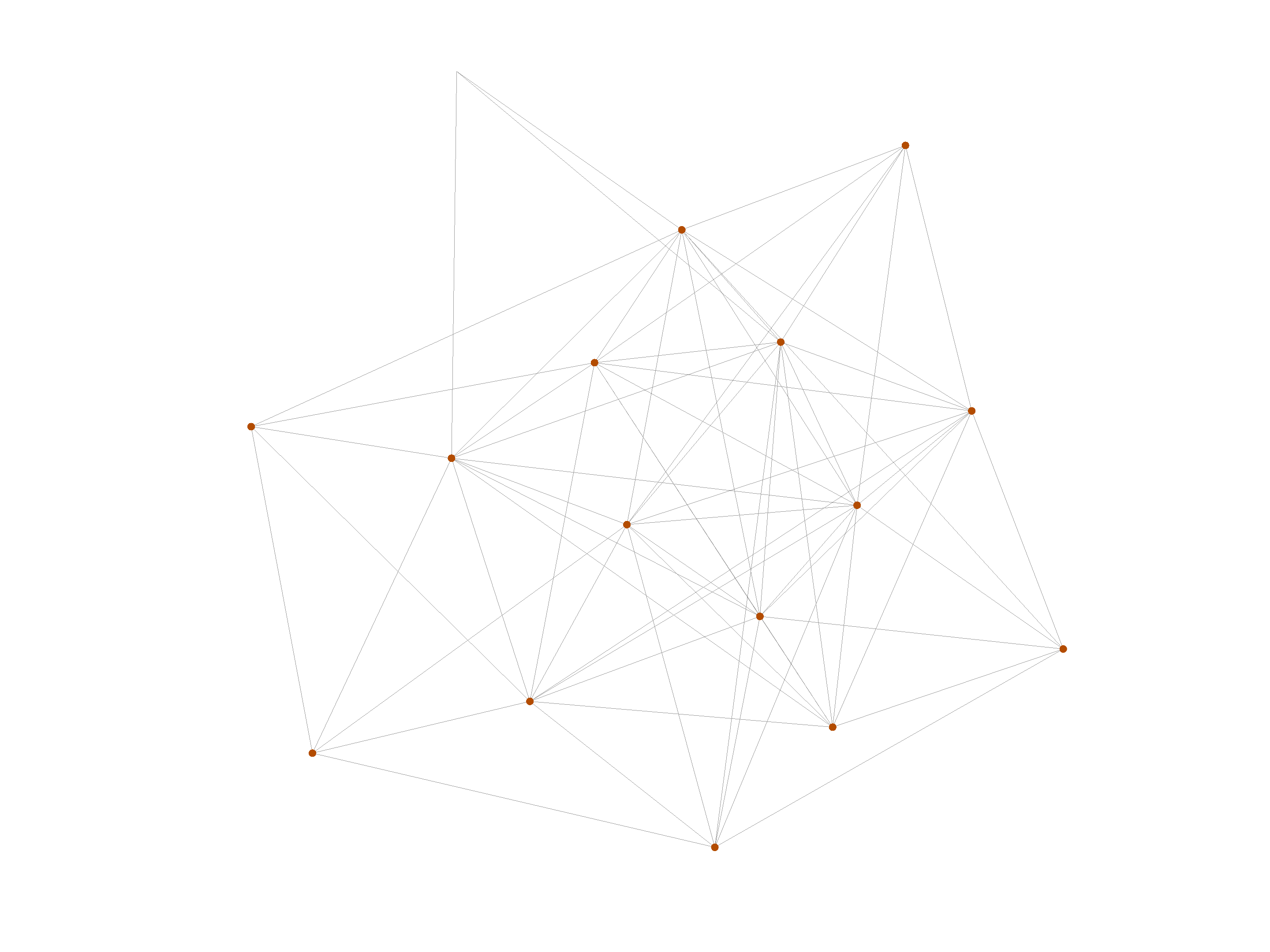
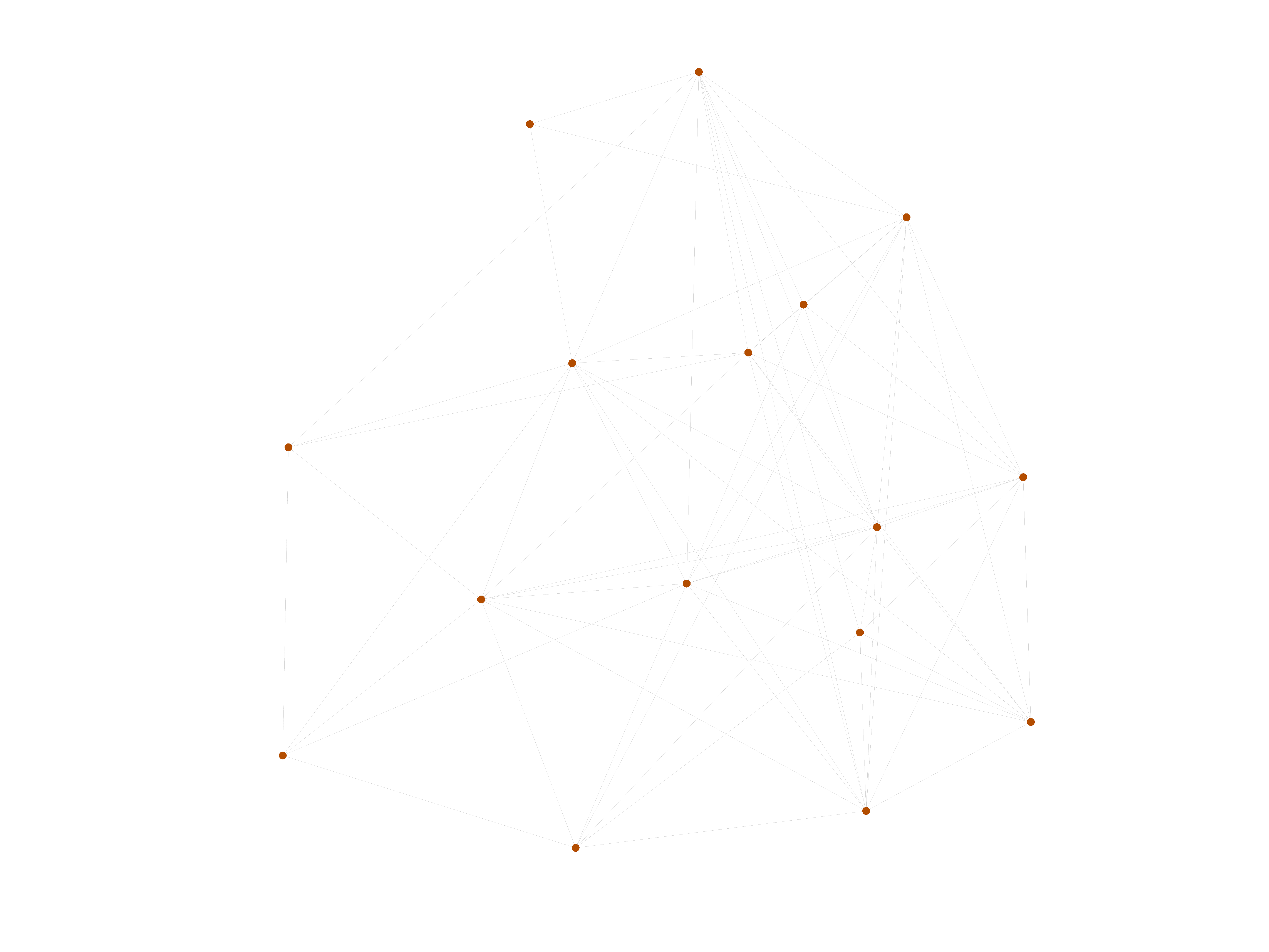
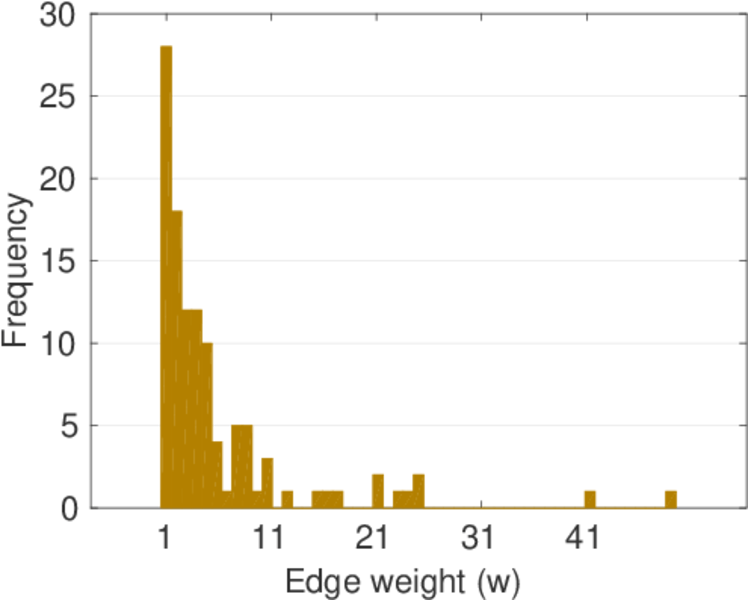
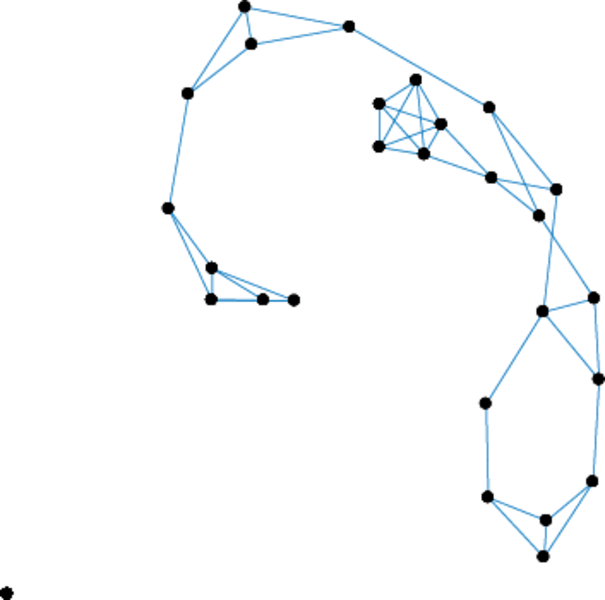
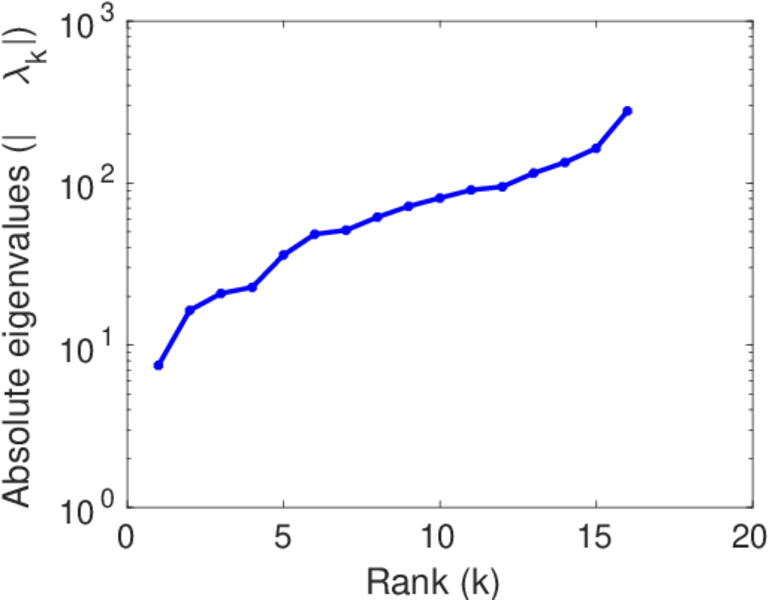
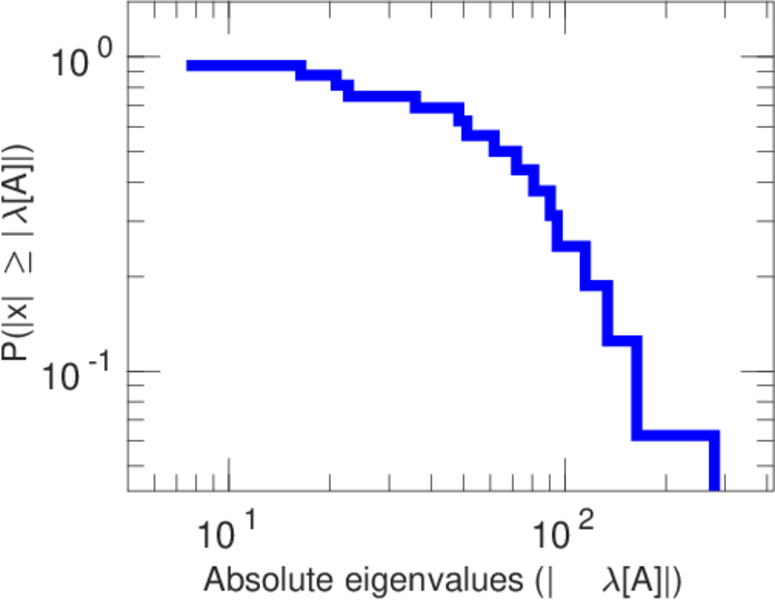
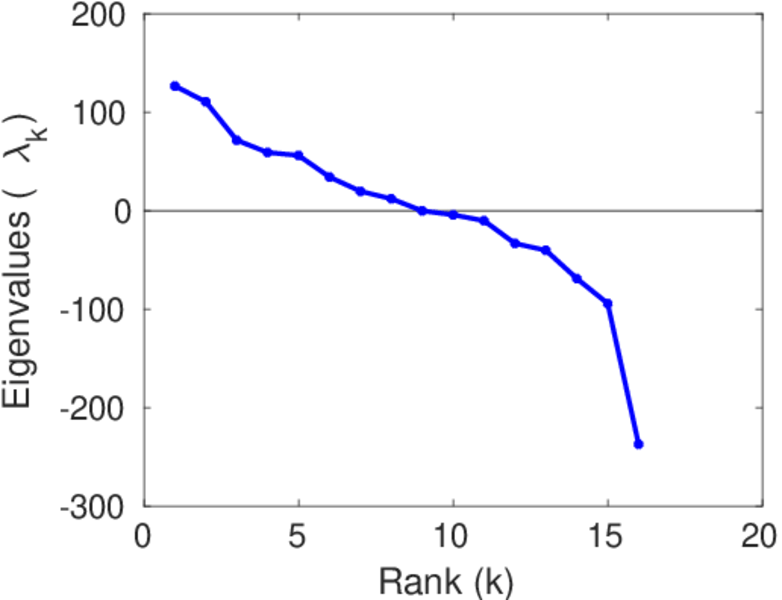
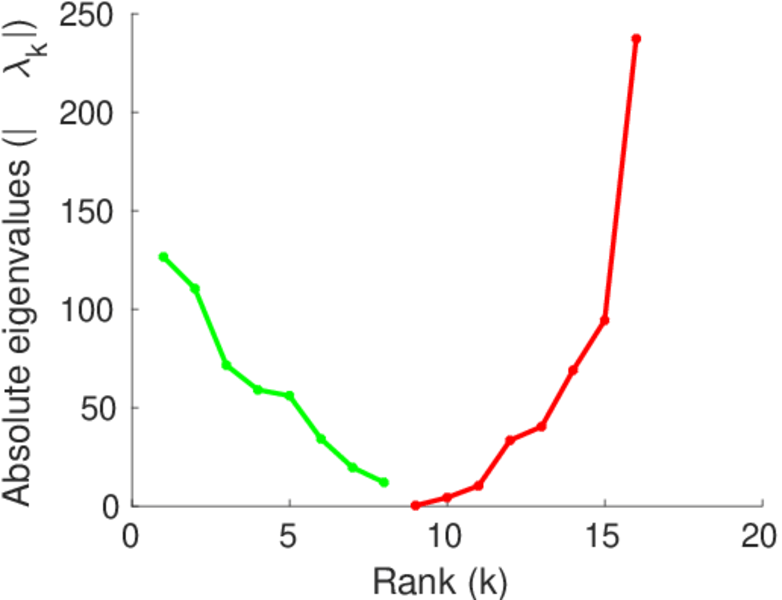
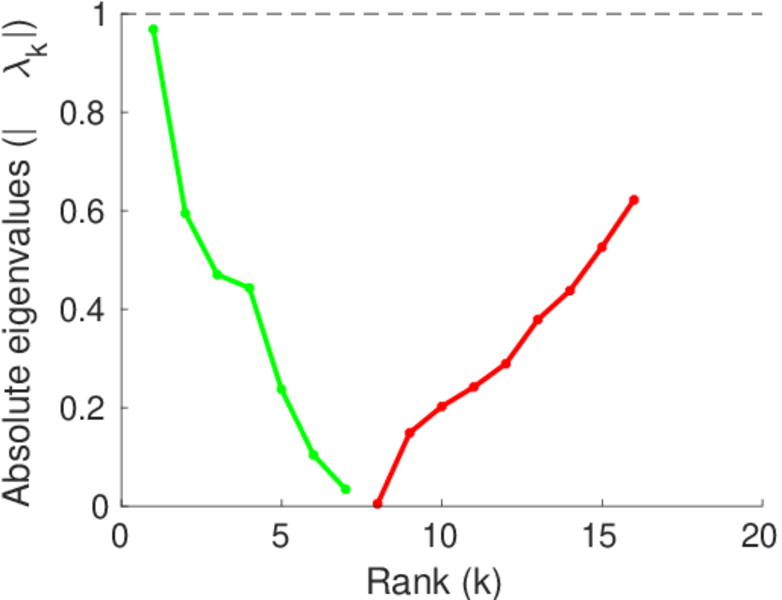
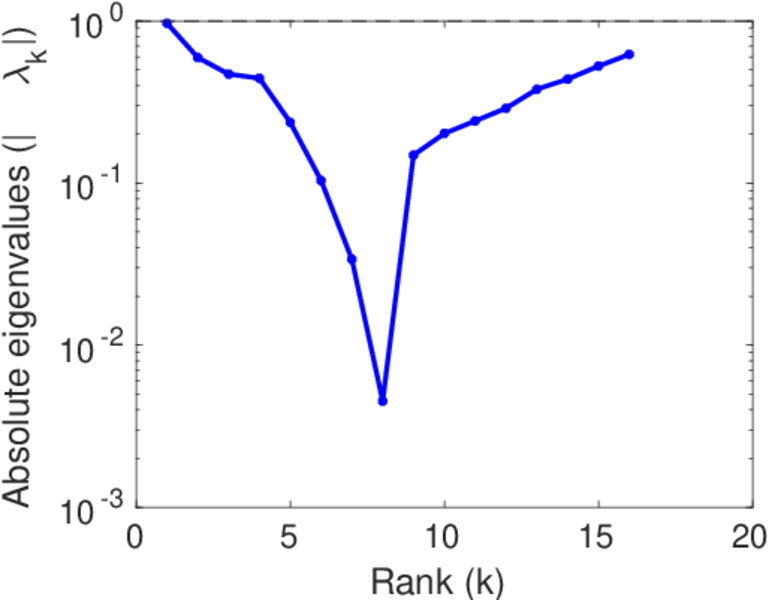
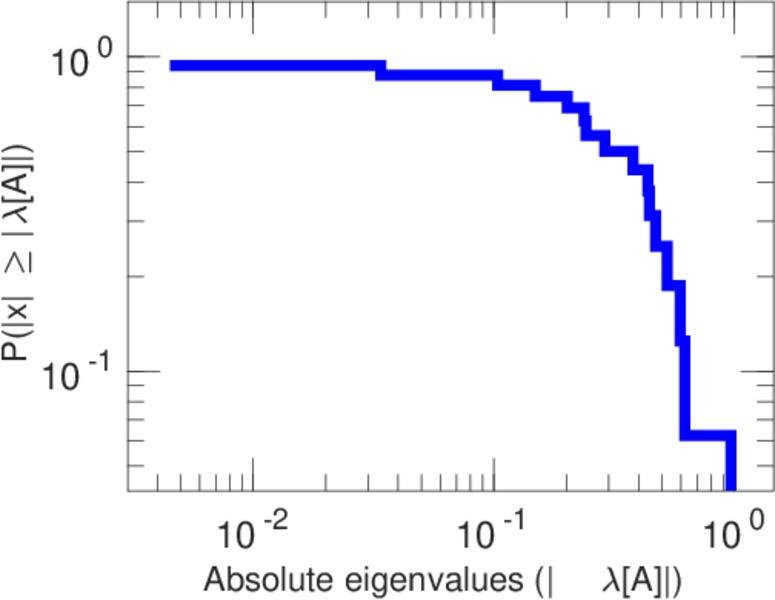
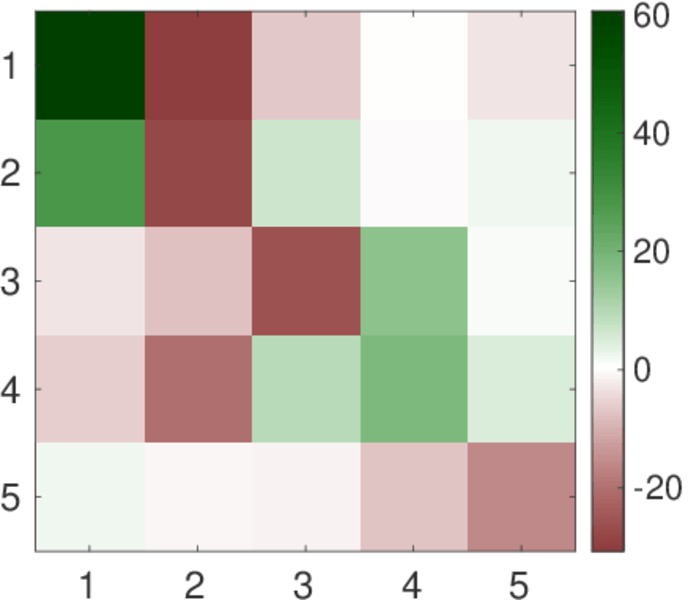
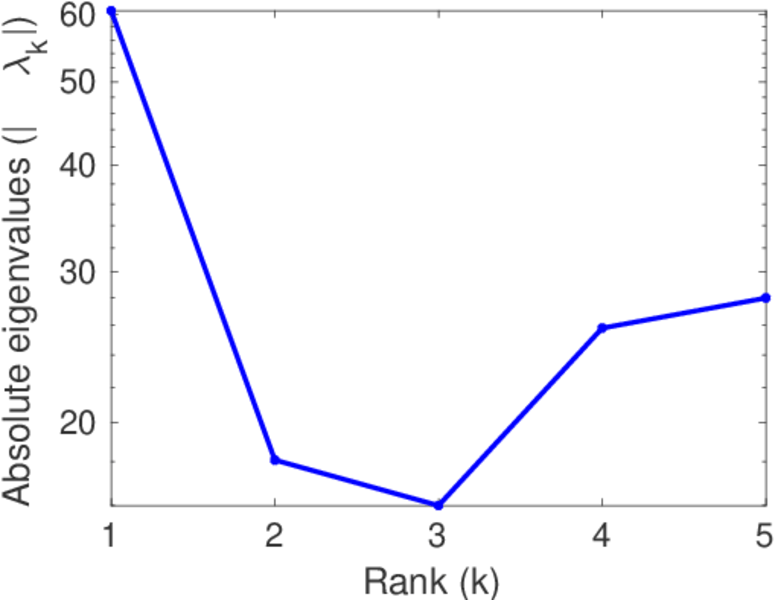
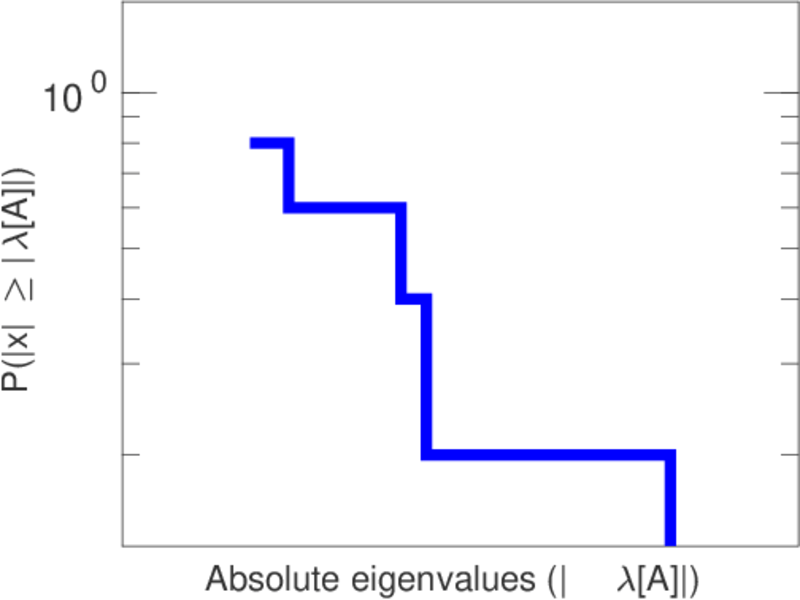
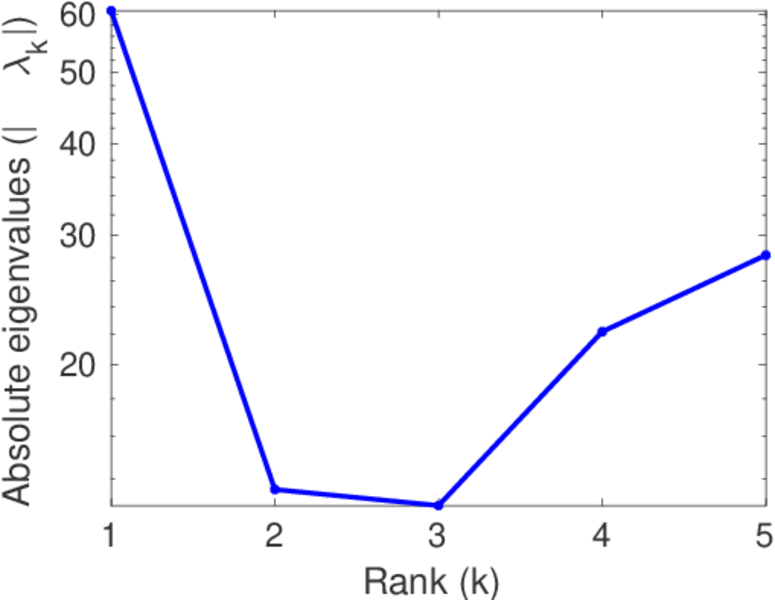
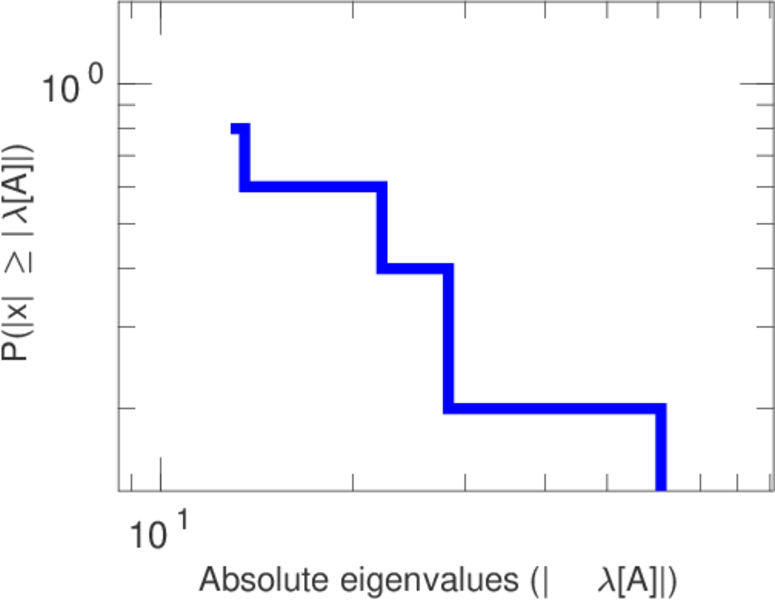
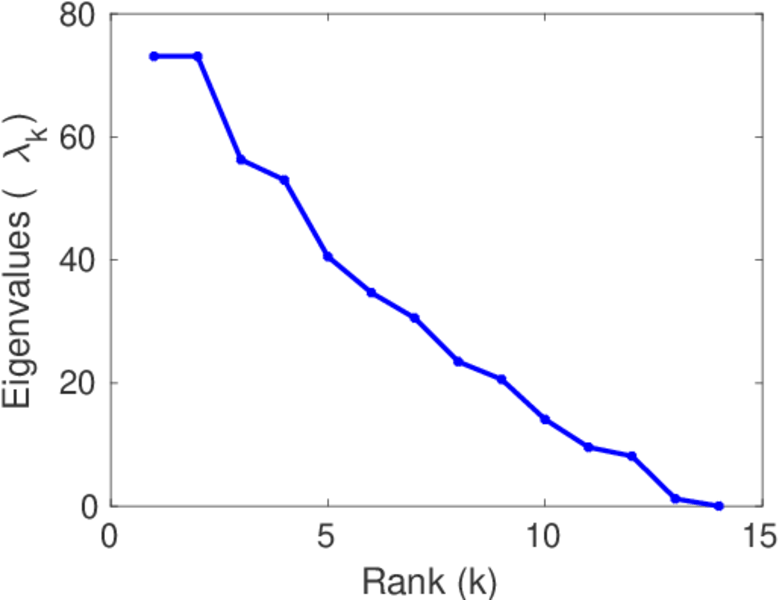
This directed network contains observed grooming episodes between free ranging rhesus macaques (Macaca mulatta) in Cayo Santiago during a two month period in 1963. Cayo Santiago is an island off the coast of Puerto Rico, also known as Isla de los monos (Island of the monkeys). A node represents a monkey and a directed edge A → B denotes that the rhesus macaque A groomed rhesus macaque B. The integer edge weights indicate how often this behaviour was observed.
| Code | MR
| |
| Internal name | moreno_rhesus
| |
| Name | Rhesus macaques | |
| Data source | http://moreno.ss.uci.edu/data.html#rhesus | |
| Availability |  | Dataset is available for download |
| Consistency check |  | Dataset passed all tests |
| Category | Animal network | |
| Node meaning | Monkey | |
| Edge meaning | Grooming | |
| Network format |  | Unipartite, directed |
| Edge type |  | Positive weights, no multiple edges |
| Reciprocal |  | Contains reciprocal edges |
| Directed cycles | | Contains directed cycles |
| Loops | | Does not contain loops |




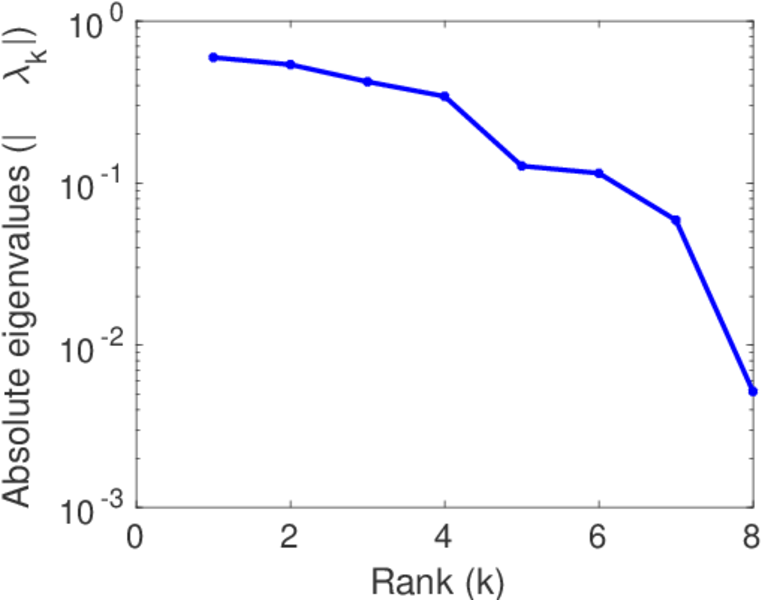
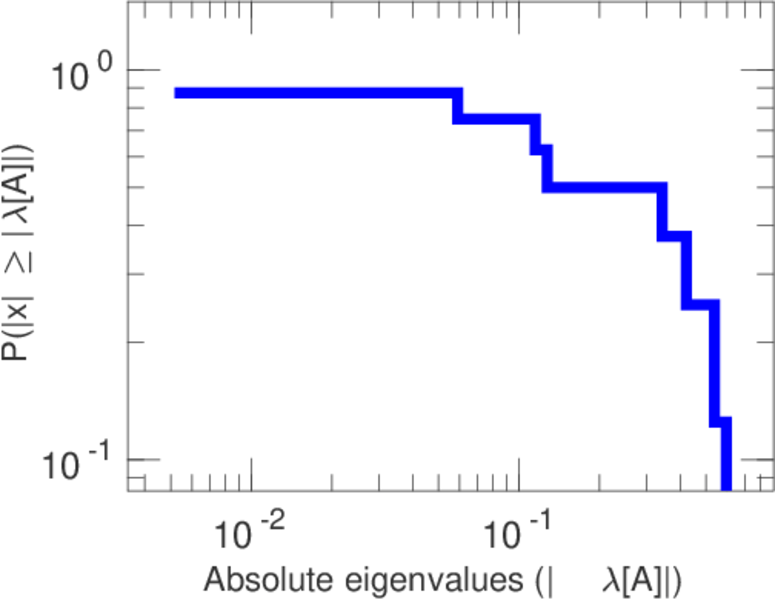
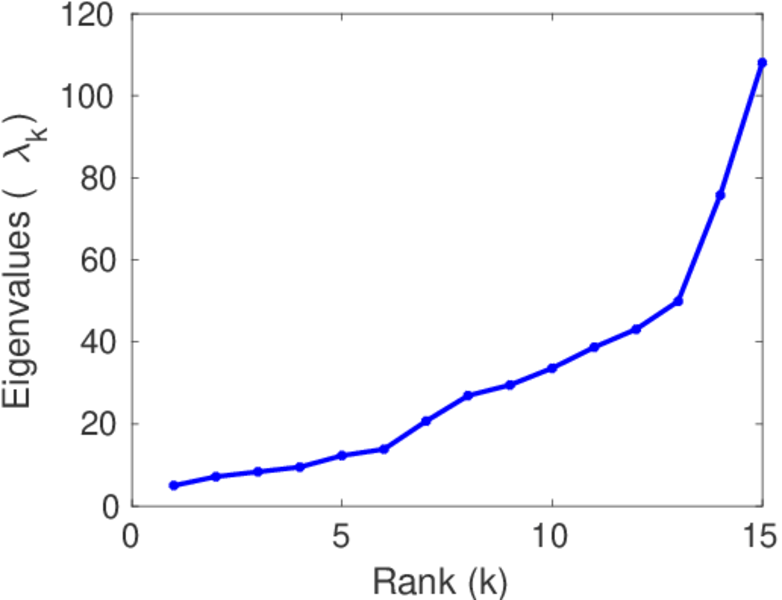
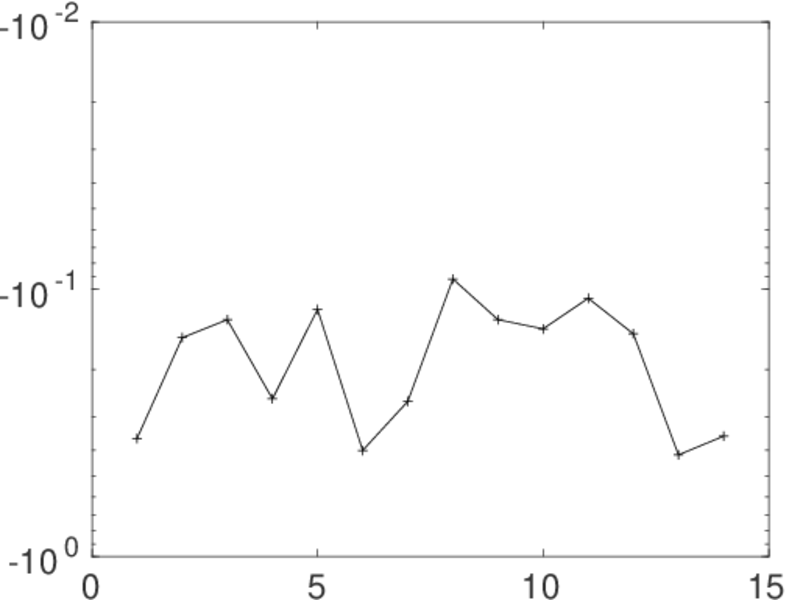
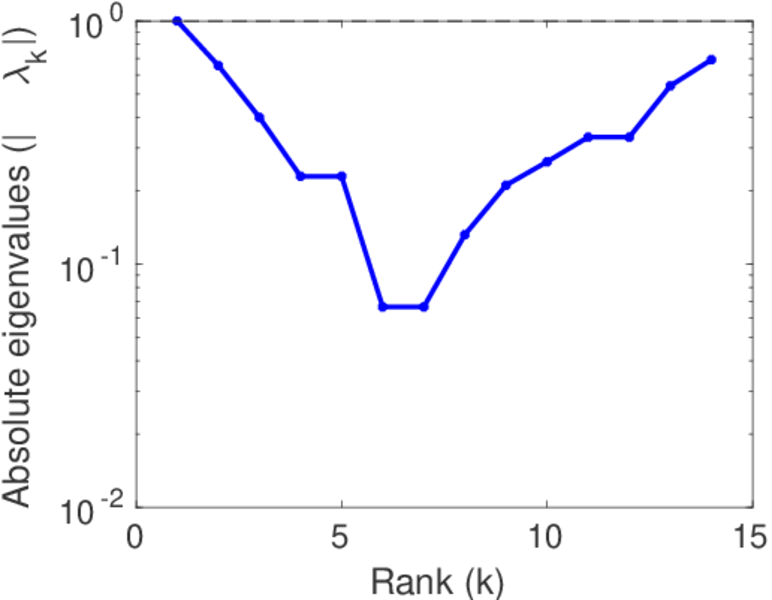
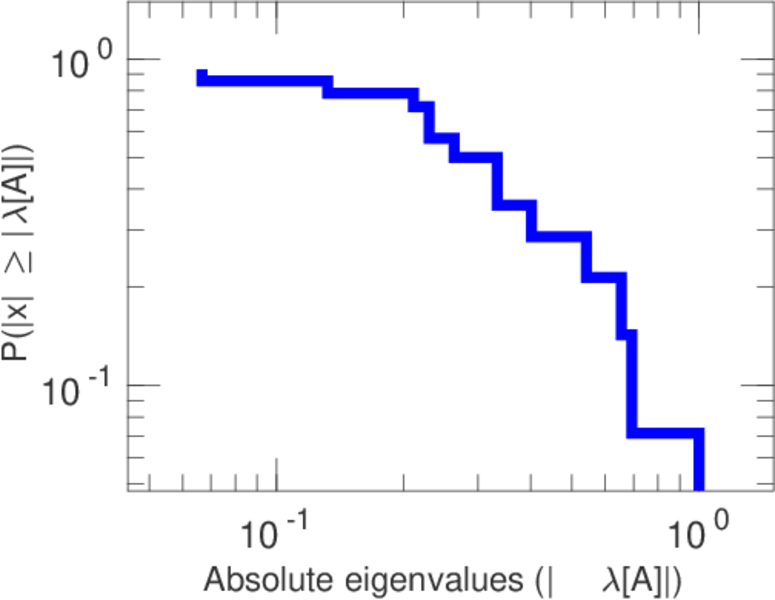
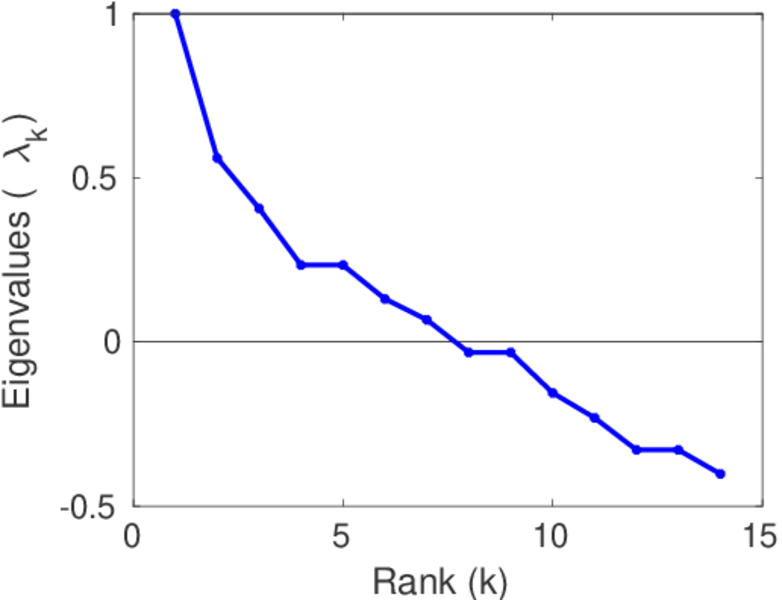
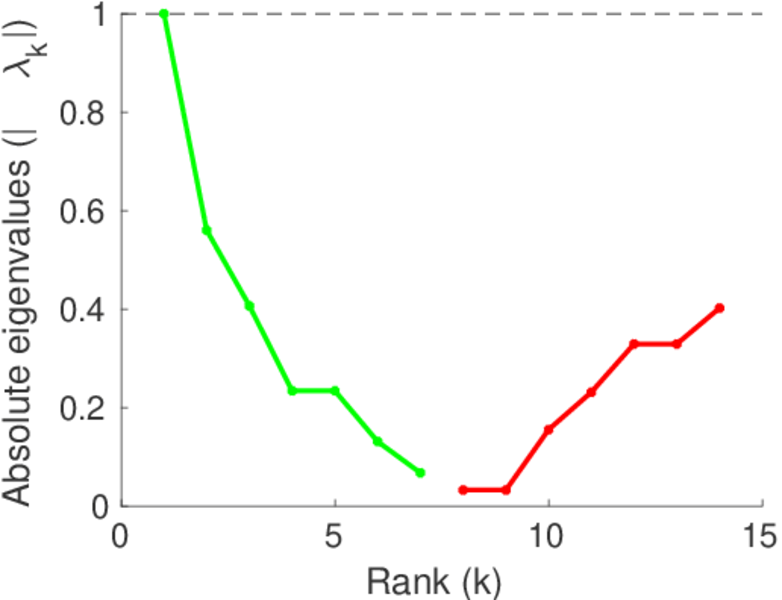



| [1] | Jérôme Kunegis. KONECT – The Koblenz Network Collection. In Proc. Int. Conf. on World Wide Web Companion, pages 1343–1350, 2013. [ http ] |
| [2] | D. S. Sade. Sociometrics of Macaca mulatta I. linkages and cliques in grooming matrices. Folia Primatologica, 18(3-4):196–223, 1972. |